

Please fill out the form below to request a quote or to request more information about us. please be as detailed as possible in your message, and we will get back to you as soon as possible with a response. we're ready to start working on your new project, contact us now to get started.
Optimal Space Planning for Container House for Sale
2025-10-12
WELLCAMP
56
Container houses are versatile living spaces that cater to diverse needs, whether for residential, commercial, or temporary use. However, the way these spaces are planned and arranged can significantly impact their success. In today's competitive real estate market, a well-planned container house not only enhances functionality but also adds value to the property.
Defining Space Needs
When planning a container house, it's crucial to understand the fundamental requirements of the space.
- Functionality: A container house must provide functional rooms for daily life. For example, a kitchen for cooking, a living area for entertaining, or a bedroom for relaxation.
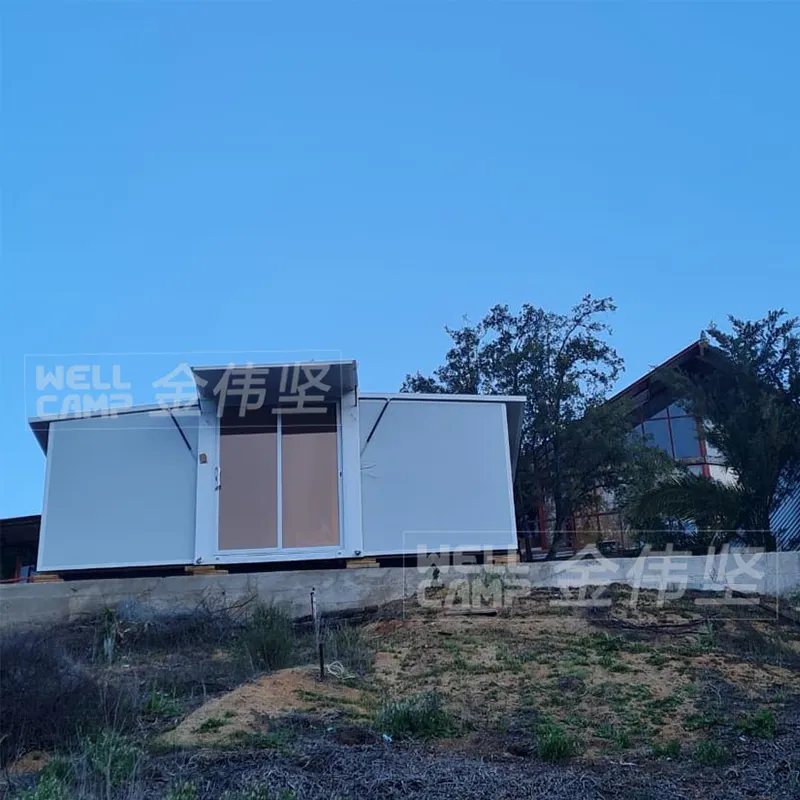
Usability: Spaces should be user-friendly and easy to access. Thoughtful design and placement of furniture can make a significant difference in how enjoyable the container house is.
Marketability: Well-designed spaces are more appealing to potential buyers. Open, modern, and versatile layouts often command higher values in the real estate market.
Layout Optimization
Optimal space planning involves maximizing the usable area while ensuring the layout is functional and aesthetically pleasing.
- Space Efficiency: Container houses are modular, allowing for flexible interior design. Rearrange furniture and storage solutions to create optimized spaces. For example, convert a small storage area into a dedicated workspace or add extra sleeping areas.
Flexibility: Tailor spaces to suit various needs. A commercial container house can be configured for office space, while a residential one can be designed for bedrooms, living areas, and entertainment zones.
Open Spaces: Open-plan layouts enhance functionality and create a sense of spaciousness. Use them to make the most of natural light and airflow.
A well-optimized layout ensures the container house is functional and enjoyable.
Customization and Adaptability
Each container house is unique and should reflect the preferences and needs of its inhabitants.
- Tailoring Spaces: Add personal touches to create a space that is uniquely yours. For example, add a small playroom for infants or a custom-built desk in an office space.
Flexibility: Use a modular container house design to create adaptable spaces. Incorporate movable partitions, shelves, and storage solutions to evolve the layout with changing needs.
Modern Trends: Integrate smart home technology, eco-friendly features, and minimalist aesthetics to enhance functionality and modern lifestyle preferences.
By embracing customization and adaptability, you can create a container house that is both timeless and versatile.
Sustainability and Energy Efficiency
Sustainability is crucial for a modern container house.
- Energy Efficiency: Incorporate energy-saving features like efficient insulation, natural light, and energy-efficient appliances.
Sustainable Layouts: Use eco-friendly materials such as recycled or low-VOC paints and renewable energy solutions like solar panels.
Reducing Maintenance: Design durable systems and structures that require less upkeep, minimizing maintenance costs.
By focusing on sustainability, you can create a container house that is environmentally conscious and appealing to eco-conscious buyers.
Case Studies
Real-world examples of optimally planned container houses provide valuable insights.
- Successful Examples: Many container houses in modern markets are designed with open-plan layouts, flexible interior configurations, and sustainable materials. These designs enhance functionality and appeal to a wide range of buyers.
Lessons Learned: Analyzing successful case studies can help identify key factors contributing to the success of a container house for sale. Spaces that prioritize natural light, flexible design, and eco-friendly features tend to perform well in the market.
Future container house designs may include smart home technology, modular furniture, and vertical living solutions. Embracing these trends will be increasingly important as the demand for sustainable and adaptable living spaces grows.
Conclusion
Optimal space planning is crucial for a successful container house for sale. By understanding user needs, designing functional and versatile layouts, and incorporating sustainability and modern trends, you can create a living space that is both practical and desirable.
Whether you're designing a residential, commercial, or temporary container house, the principles remain the same. By tailoring spaces, focusing on sustainability, and embracing modern trends, you can ensure your container house stands out in the competitive real estate market.
Table of Contents
GET IN TOUCH WITH Us
Copyright © 2026 GUANGDONG WELLCAMP STEEL STRUCTURE & MODULAR HOUSING CO., LTD |Sitemap | Privacy Policy